Choosing a horse or pony: prepare your viewings and trials
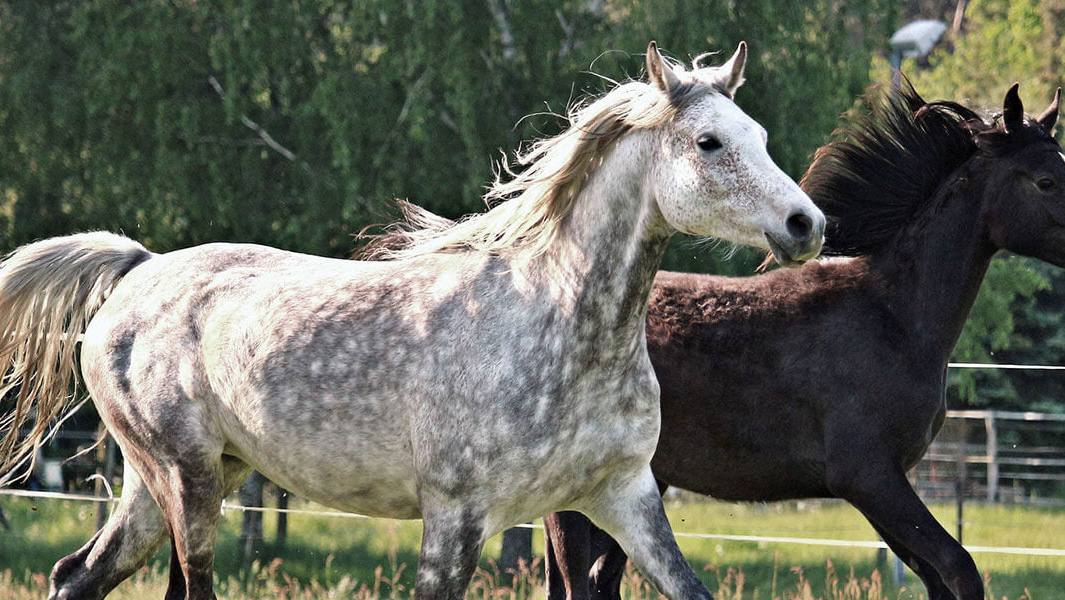
Breed, colour and competition results can help you narrow a search. The decision still concerns one particular animal for one particular purpose. Write down what you want to do, what you can do today and the support you will have after buying.
Write a search brief
Include your main activity, riding schedule, proposed accommodation and ongoing budget. Separate essential needs from preferences: hacking experience, work with a child, daily handling or regular transport.
For sport, describe the exercises and level you actually intend to pursue with your instructor. A breed label does not demonstrate training or how comfortable you will feel together. For leisure, observing an ordinary relaxed ride may be more useful than an impressive video. Decide what you need to see before travelling.
Ask questions you can check
Ask how long the seller has known the horse, why it is being sold, its current programme and any breaks from work. Collect the available health history and records for your vet.
| Advertised claim | Useful follow-up |
|---|---|
| “Hacks alone” | Usual conditions and an opportunity for a supervised observation |
| “Suitable for a child” | The child’s experience, working context and their instructor’s assessment |
| “Competition horse” | Dated results and the level actually competed |
| “Easy to handle” | Demonstration of everyday care by someone familiar with the horse |
Arrange a trial within your abilities
Take your instructor. Allow time to observe preparation and the horse ridden by its usual rider. Agree a trial suited to your experience and the facilities. You can decline to ride or stop at any point.
Afterwards, distinguish what you observed from what you were told and what remains unverified. A second visit can address specific unanswered questions. Deliberately frightening a horse to test its temperament is not a useful trial.
Concerning behaviour calls for making the situation safe and seeking an explanation with appropriate professionals. It is not a verdict on an animal’s worth or a reason to destroy it.
Arrange an appropriate veterinary examination
Tell your chosen vet about the intended use and the history collected. An examination assesses the horse at that time and the risks for your plans; it does not guarantee future health. The BHS recommends a vet independent of the seller to avoid conflicts of interest. Pre-purchase examination guidance.
Prepare paperwork and arrival
For an equine already registered with SIRE in France, obtain the original identification document and the information needed to update ownership. The buyer has 30 days to register the change with SIRE, online except in special cases. Official IFCE procedure. These are French requirements; other countries have their own procedures.
Record the agreed sale conditions in writing, including any conditions concerning the veterinary examination. Confirm accommodation, arrival arrangements and available contacts before booking transport. Complete your ownership budget and arrange equipment fitting for the horse you choose.
From the workshops
Pieces related to this guide
Also worth reading